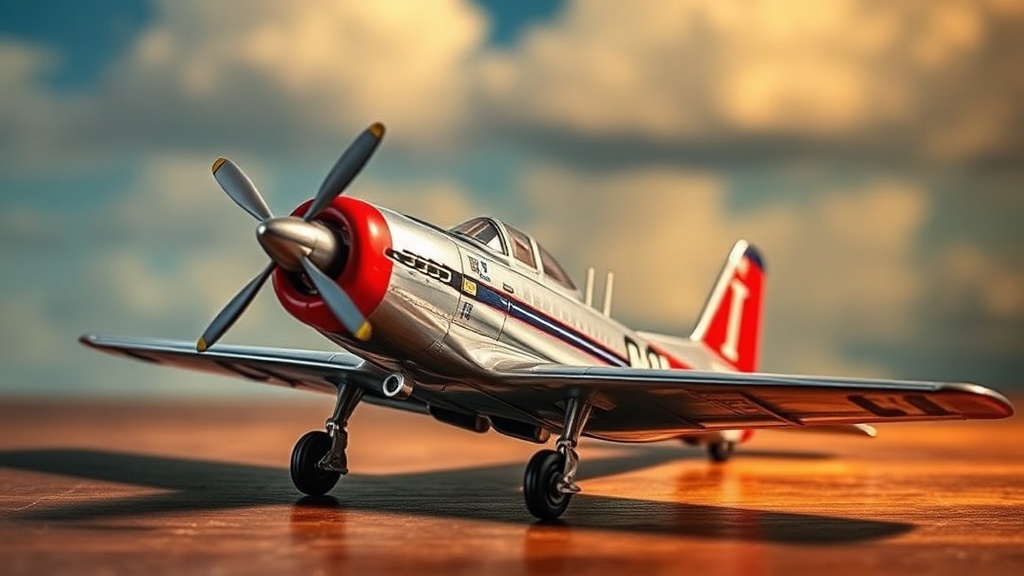
11 Plane Model Collectibles That Actually Hold Value (And Why Most Don’t)

Limited Edition Airline Liveries
High-End Diecast Models (1:200 Scale)
Discontinued Manufacturer Lines
Military Aircraft With Authentic Markings
First-Release Production Runs
Models With Original Packaging (Mint Condition)
Airport Diorama-Ready Models
Rare Regional Airline Models
Hand-Finished or Custom Models
Models Tied to Aviation Events
Undervalued Modern Releases With Low Production
Most plane model collections start the same way: a few impulse buys, a couple of gifts, and then a slow realization that not everything on your shelf is worth keeping. Value in this hobby isn’t random—it’s driven by scarcity, detail, brand reputation, and timing. After years of watching what appreciates and what quietly fades into storage bins, some patterns are impossible to ignore.
This list isn’t about hype. It’s about the models collectors keep, trade, and hunt down years later.
1. Limited Edition Airline Liveries
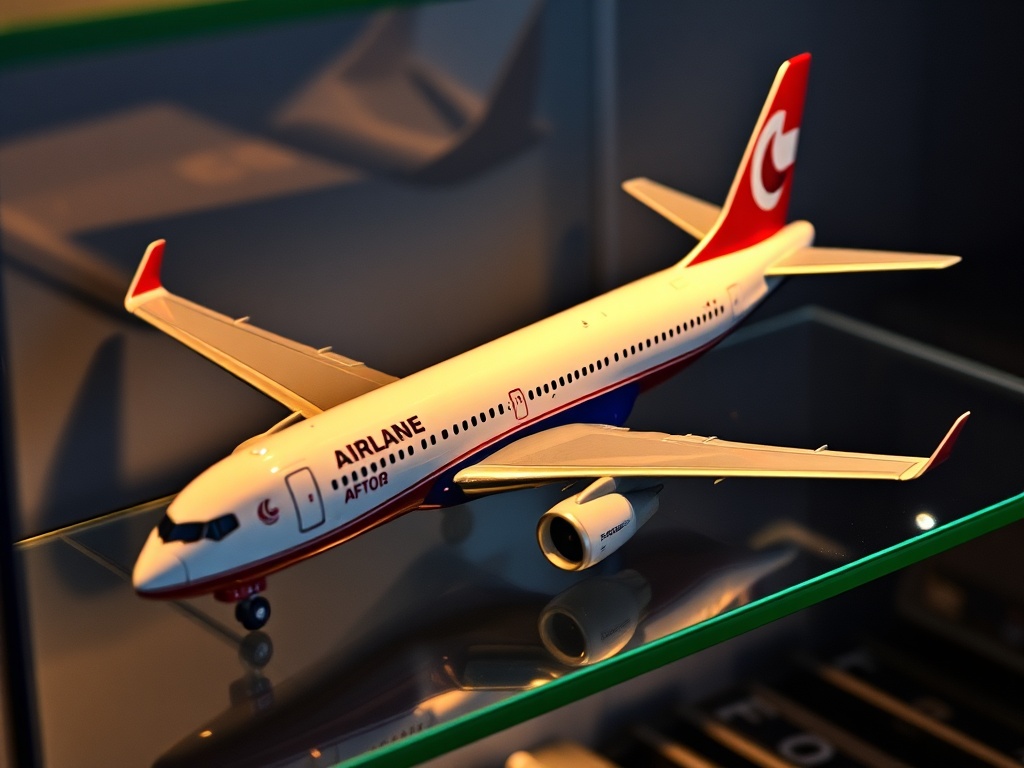
Limited runs tied to specific airline liveries—especially anniversary or discontinued branding—consistently outperform standard releases. Once the airline updates its look or ceases operations, demand spikes among collectors chasing nostalgia.
Why they hold value: finite production + historical significance. If the livery disappears, the model becomes a snapshot of a moment that won’t return.
2. High-End Diecast Models (1:200 Scale)
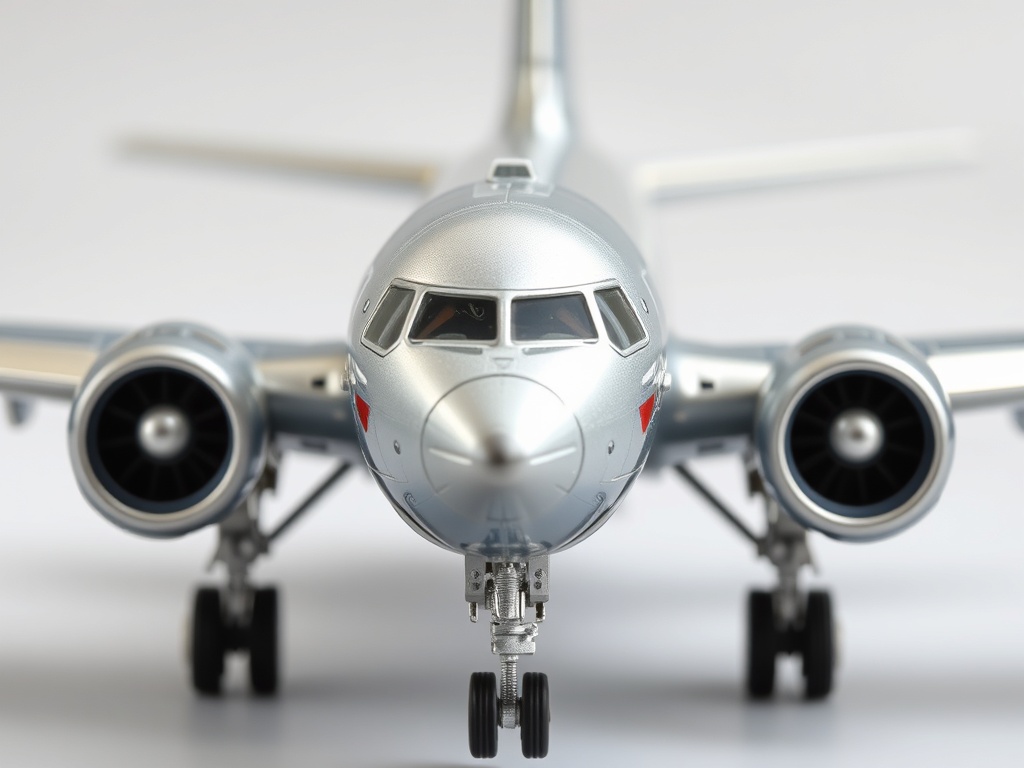
Serious collectors gravitate toward 1:200 scale diecast for a reason. The weight, realism, and engineering precision separate them from entry-level plastic kits.
What to look for: brands with consistent QC, accurate panel lines, and metal landing gear. These aren’t just models—they’re display pieces that age well.
3. Discontinued Manufacturer Lines
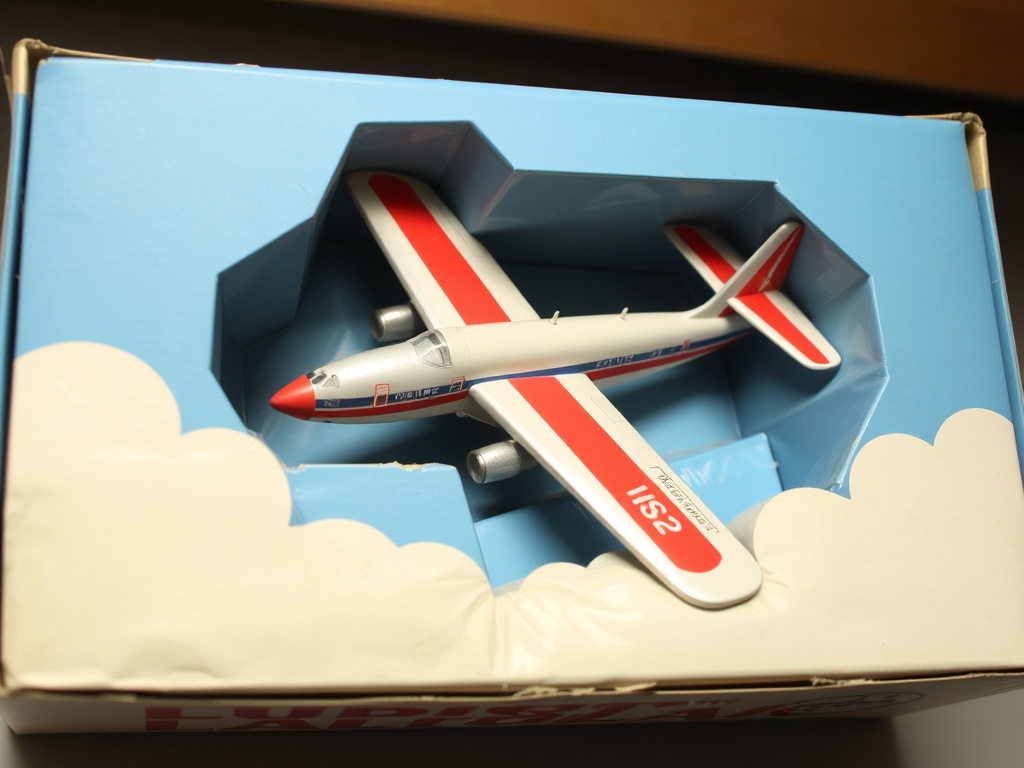
When a manufacturer exits the market or discontinues a line, existing inventory becomes finite overnight. Collectors who missed the original release start hunting.
Reality check: not every discontinued line becomes valuable—but the ones with strong craftsmanship usually do.
4. Military Aircraft With Authentic Markings
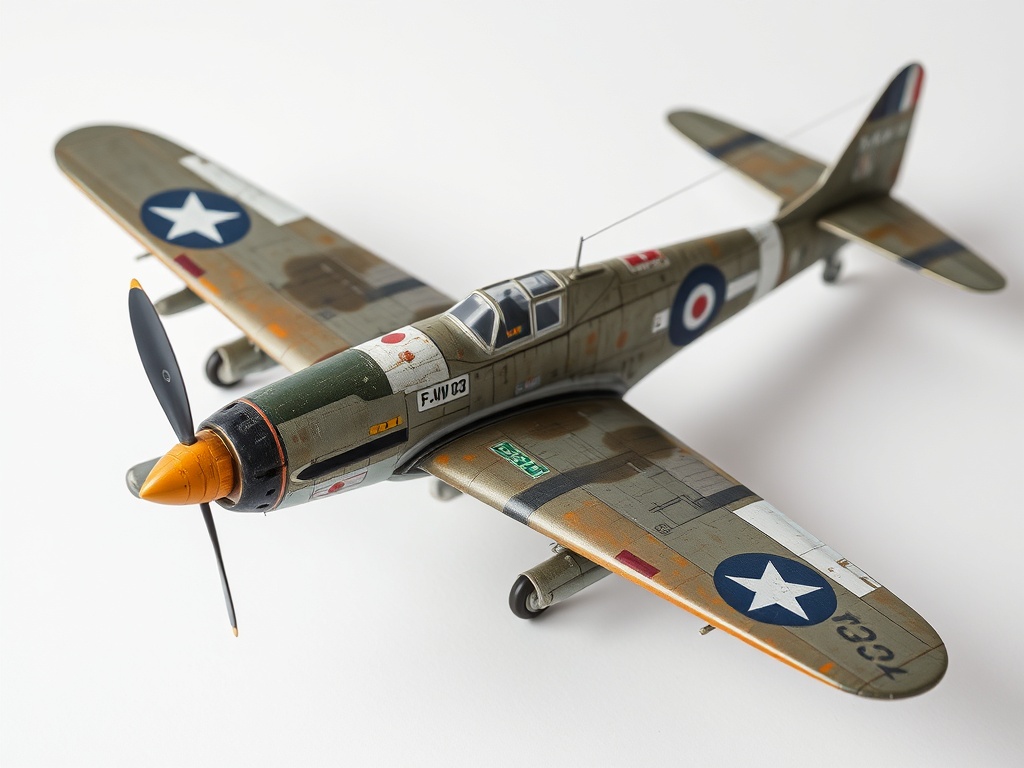
Military models tied to real squadrons, missions, or historically significant aircraft have built-in storytelling value. That narrative drives demand.
Key factor: accuracy. Incorrect markings kill value faster than anything else in this category.
5. First-Release Production Runs
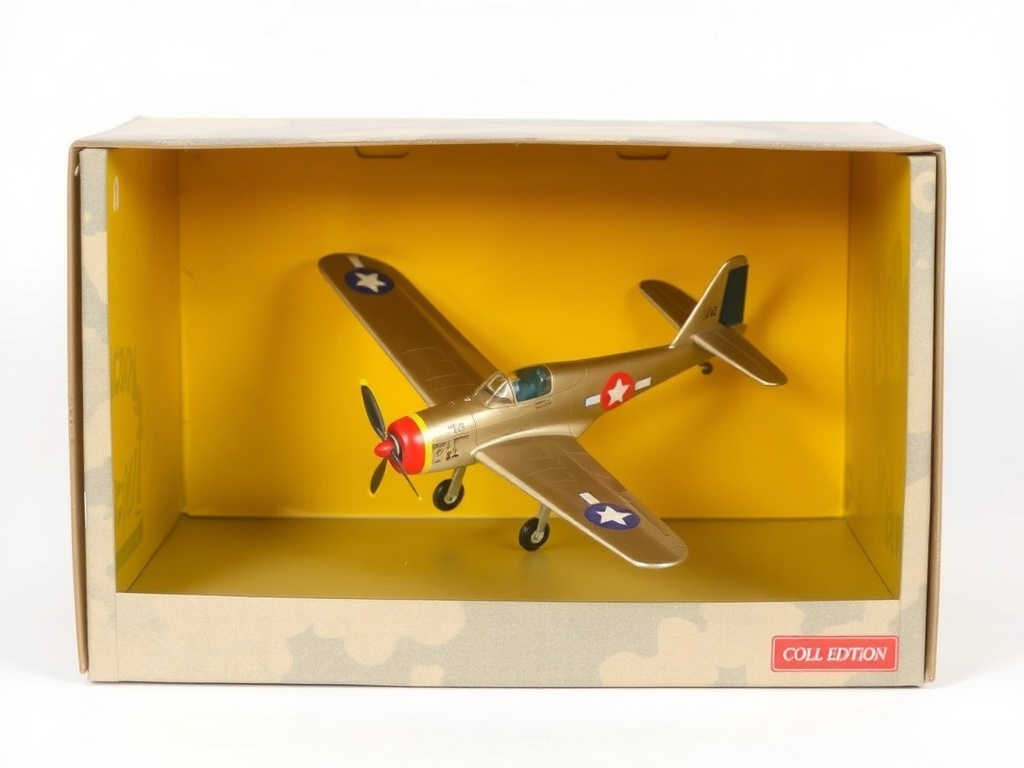
First runs often include subtle differences—packaging, paint tones, or even minor design tweaks—that later versions don’t replicate.
Collector behavior: early adopters rarely sell, which tightens supply and quietly pushes prices upward.
6. Models With Original Packaging (Mint Condition)
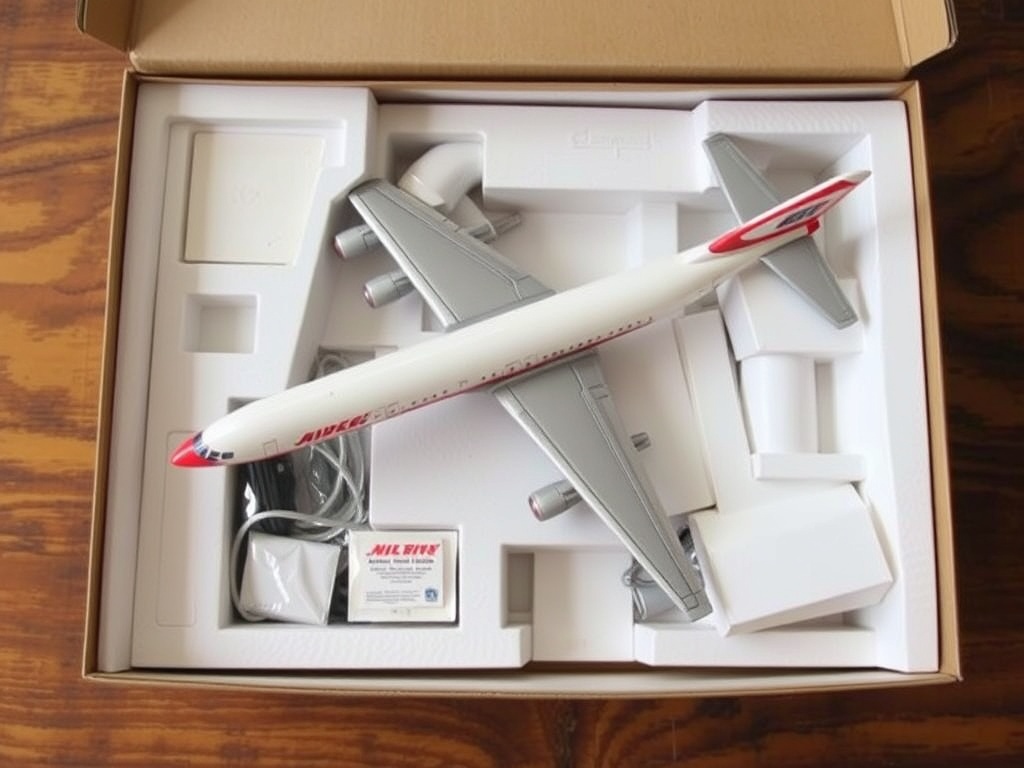
The box matters more than most new collectors expect. Complete packaging signals care, authenticity, and resale readiness.
Rule: once the box is damaged or missing, you’re no longer competing in the top tier of resale value.
7. Airport Diorama-Ready Models

Models designed to integrate into airport dioramas—correct scale, lighting compatibility, ground equipment—have a niche but loyal demand.
Why they last: collectors building large displays need consistency, and they’ll pay for models that fit perfectly.
8. Rare Regional Airline Models
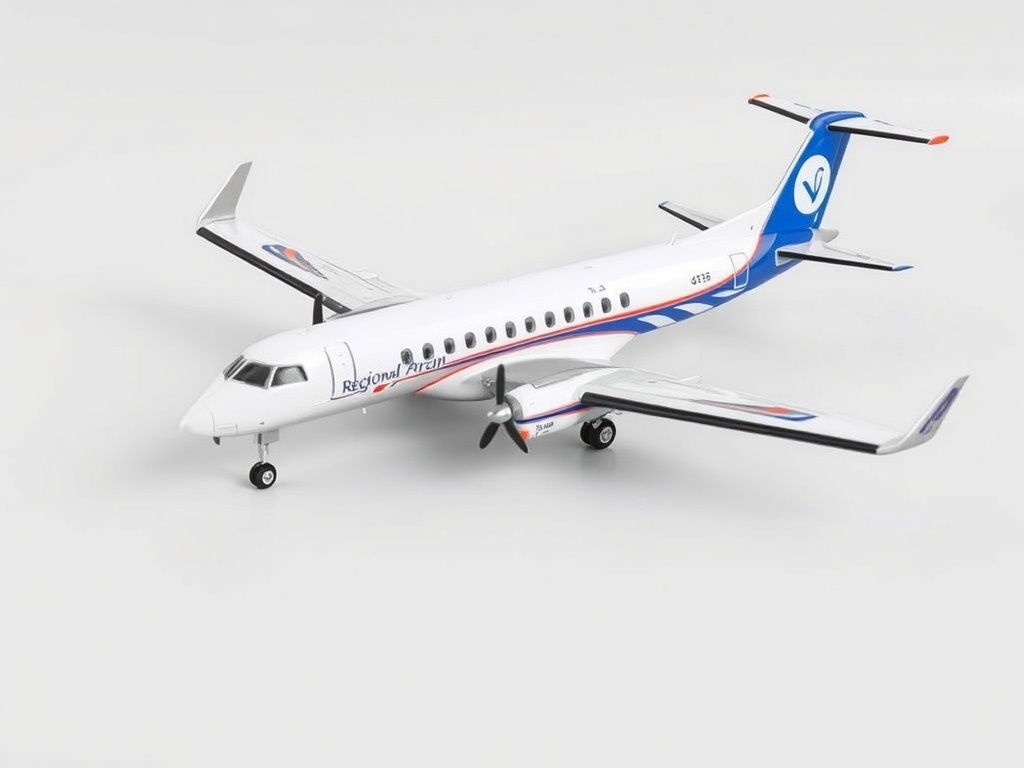
Regional airlines come and go quietly, which means their models often fly under the radar until it’s too late.
Opportunity: these are often undervalued at release, then become surprisingly hard to find.
9. Hand-Finished or Custom Models
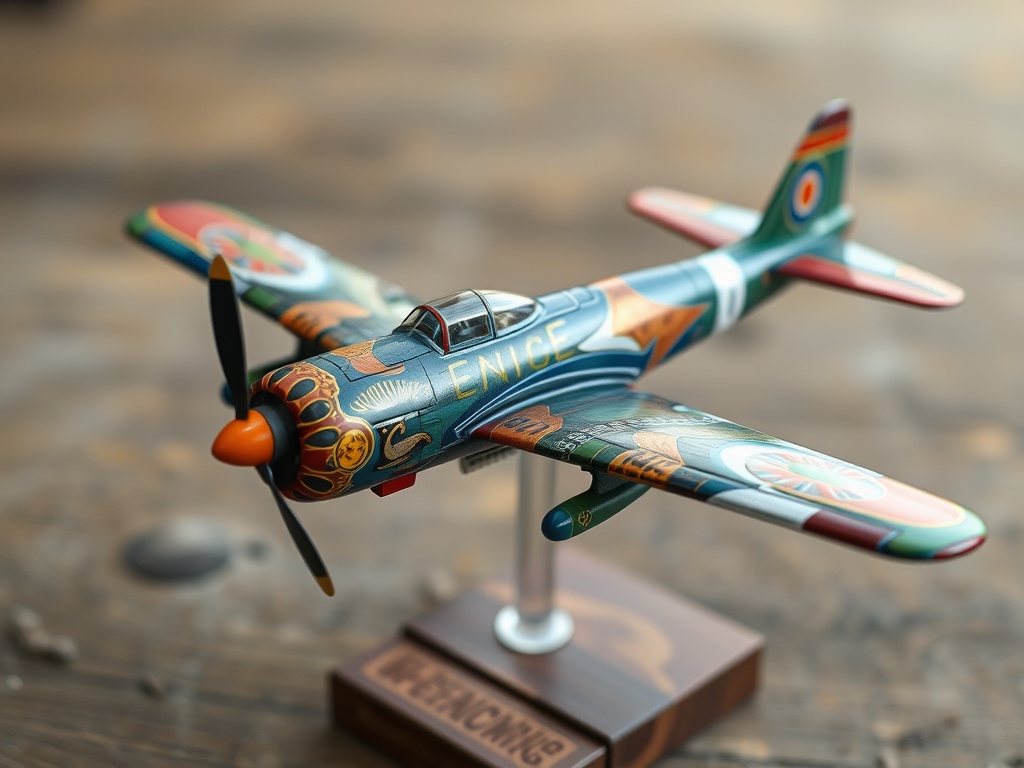
Custom work introduces uniqueness—no two pieces are identical. When done well, these models sit closer to art than mass production.
Caution: quality varies wildly. Proven artists or workshops matter.
10. Models Tied to Aviation Events
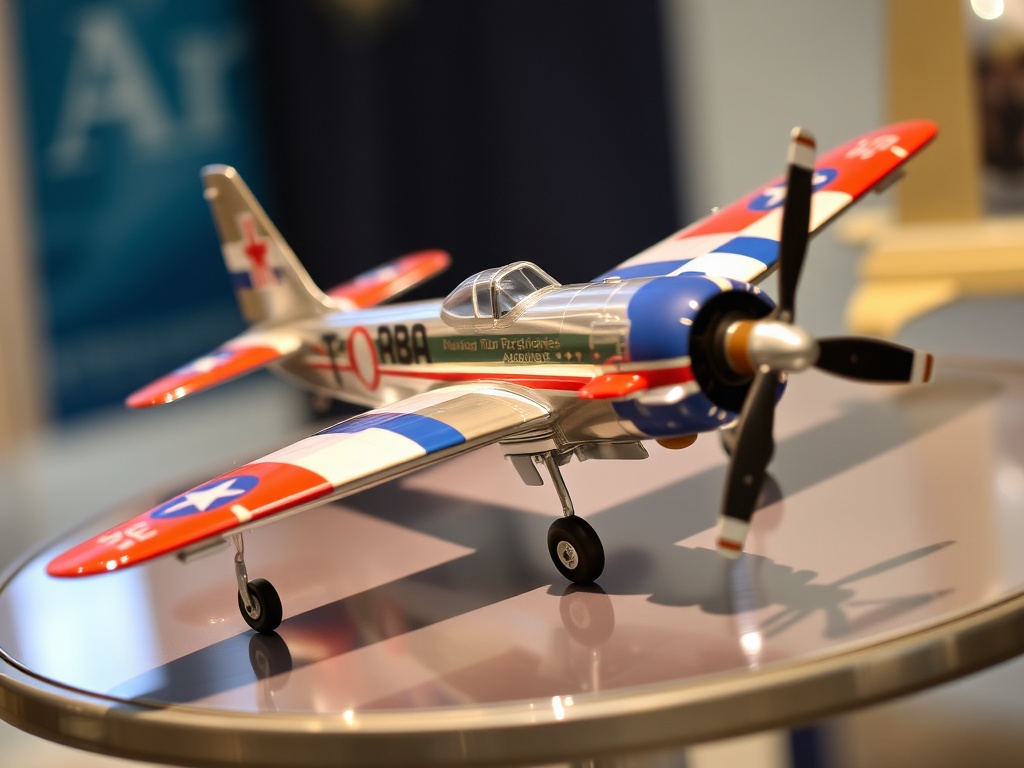
Airshows, anniversaries, and commemorative releases create time-locked collectibles. Once the event passes, supply freezes.
Pattern: demand grows slowly, then spikes when collectors revisit that moment years later.
11. Undervalued Modern Releases With Low Production
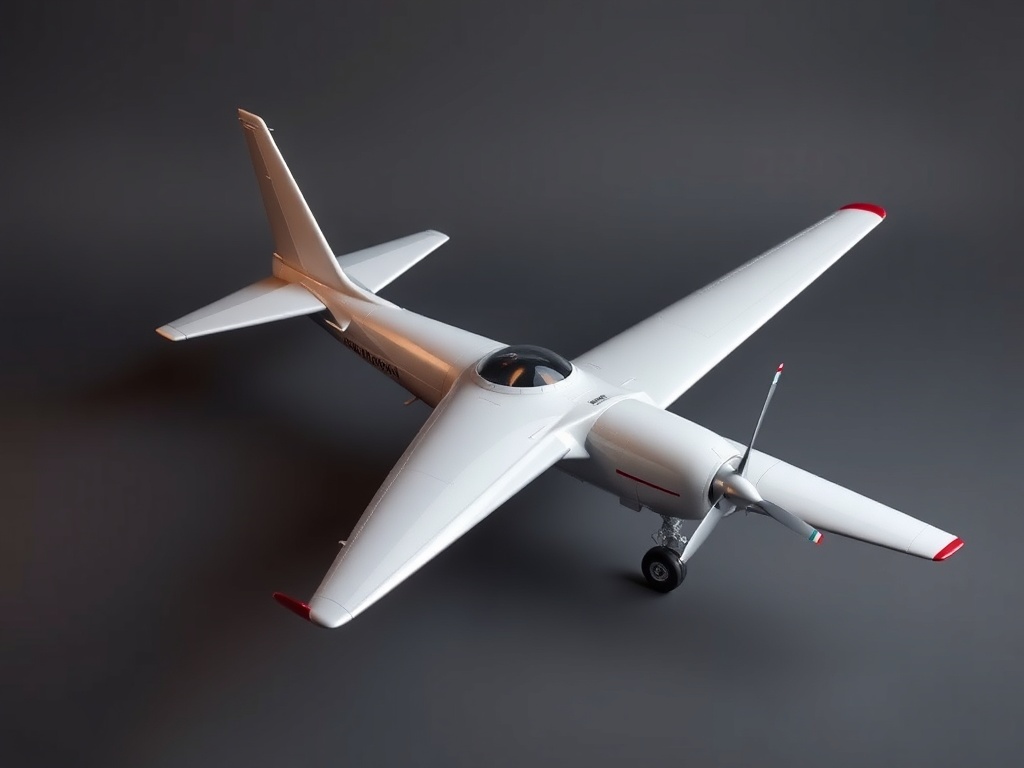
Not every valuable model looks special at launch. Some of the best performers are overlooked releases with low production numbers.
Collector instinct: the ability to spot these early separates long-term collectors from casual buyers.
What Almost Never Holds Value
It’s just as important to know what doesn’t work:
- Mass-produced generic liveries
- Poorly detailed plastic kits
- Damaged or incomplete models
- Overhyped “collector editions” with large production runs
The Real Strategy
Collectors who build valuable collections aren’t chasing trends—they’re filtering ruthlessly. They buy fewer models, but each one checks at least two boxes: rarity, accuracy, or story.
If you remember one thing, it’s this: value follows intent. Models made with care, tied to something real, and produced in limited numbers tend to survive. Everything else becomes background noise.