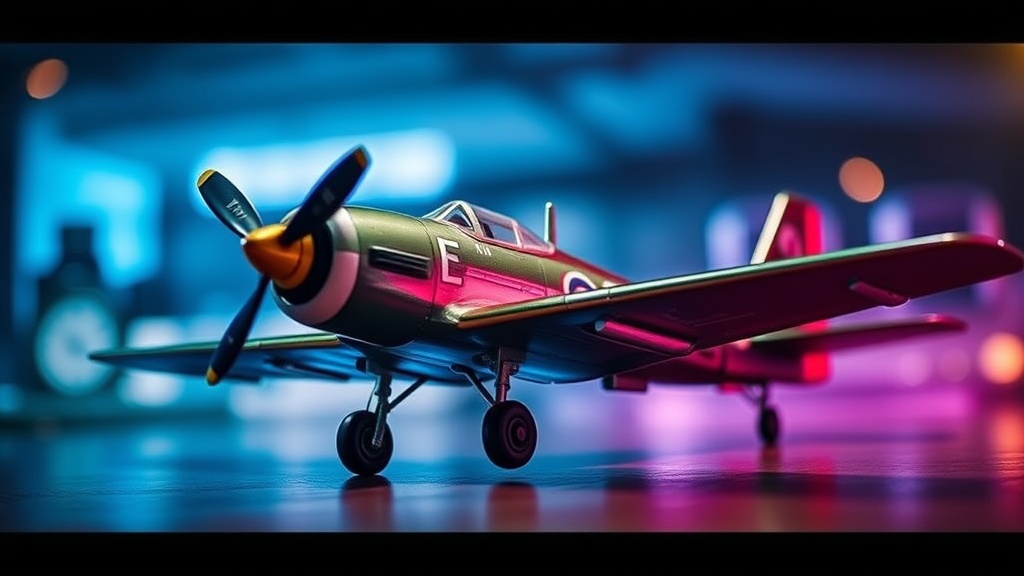
9 Plane Model Collectibles That Actually Hold Value (And Why Most Don’t)

Limited-Run Diecast Airliners
Military Aircraft Models with Historical Context
Retro Airline Liveries (70s–90s)
High-End Resin Models
Airport Diorama-Ready Models
Rare Promotional Airline Models
Classic Wooden Desktop Models
Obscure Regional Aircraft Models
Early-Generation Diecast Releases
Most plane model collectors learn this the hard way: not everything ages into a valuable collectible. Some pieces skyrocket in value over time, while others quietly collect dust—no matter how good they looked on day one.
This list cuts through the noise. These are the plane model categories and specific types that consistently hold (or grow) value—and the real reasons behind it. No hype, no nostalgia bias, just what actually performs in the collector market.
1. Limited-Run Diecast Airliners
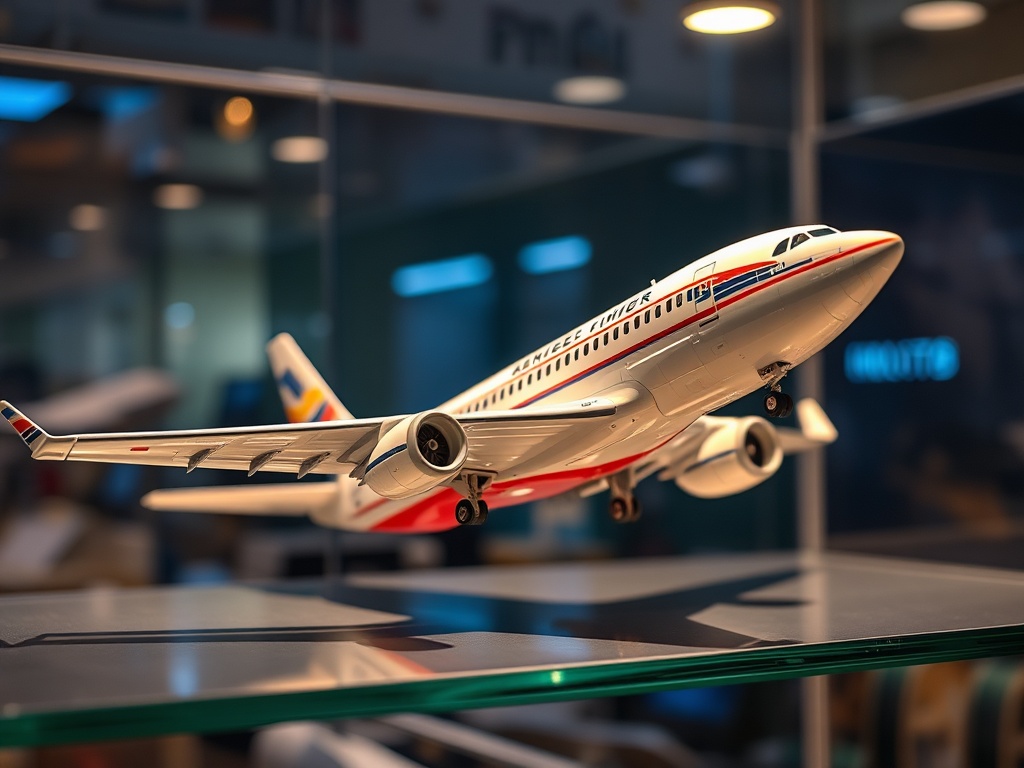
Limited-run diecast airliners are the backbone of serious collections. Brands like GeminiJets and JC Wings release aircraft in small production batches, often tied to specific airlines, liveries, or historical moments.
The value driver here is scarcity paired with brand credibility. When production stops, secondary market prices climb—especially for discontinued liveries or defunct airlines.
- Look for production numbers under 5,000 units
- Original packaging matters more than most collectors admit
- Airlines that no longer exist tend to appreciate faster
2. Military Aircraft Models with Historical Context
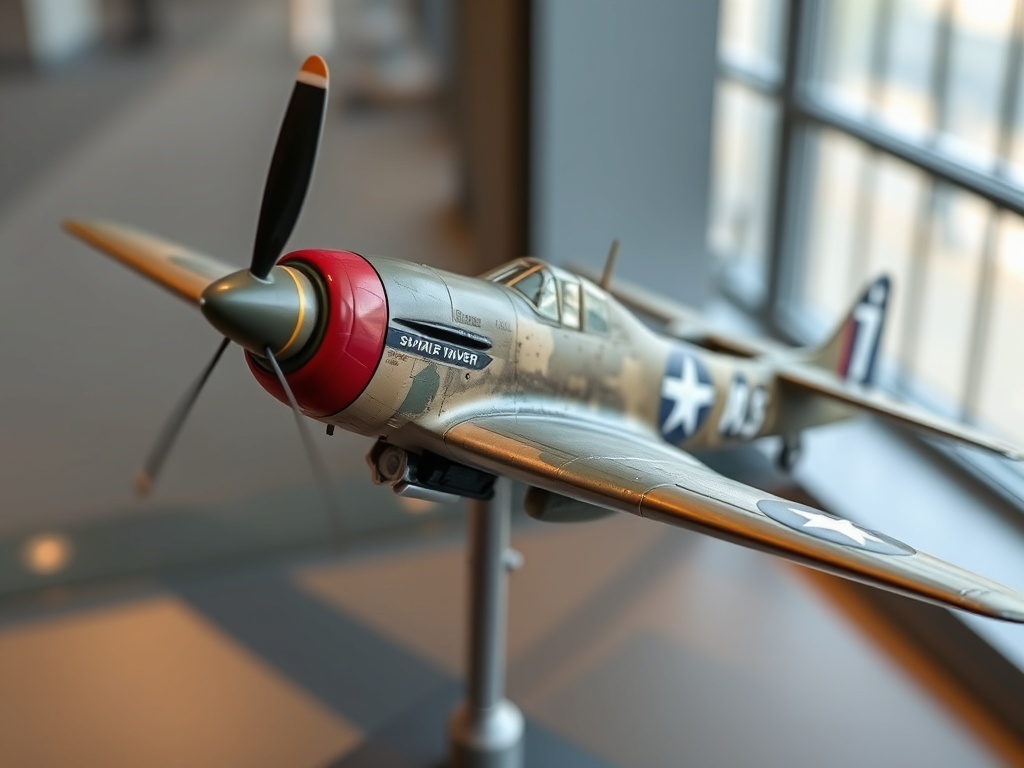
Not all military models are equal. The ones tied to specific battles, pilots, or squadrons carry significantly more long-term value.
Collectors aren’t just buying a plane—they’re buying a story. Models representing WWII aces, Cold War reconnaissance aircraft, or rare experimental jets consistently outperform generic releases.
- Documentation and historical accuracy increase desirability
- Limited-edition squadron markings are key
- Battle-proven aircraft models tend to outperform prototypes
3. Retro Airline Liveries (Especially 70s–90s)
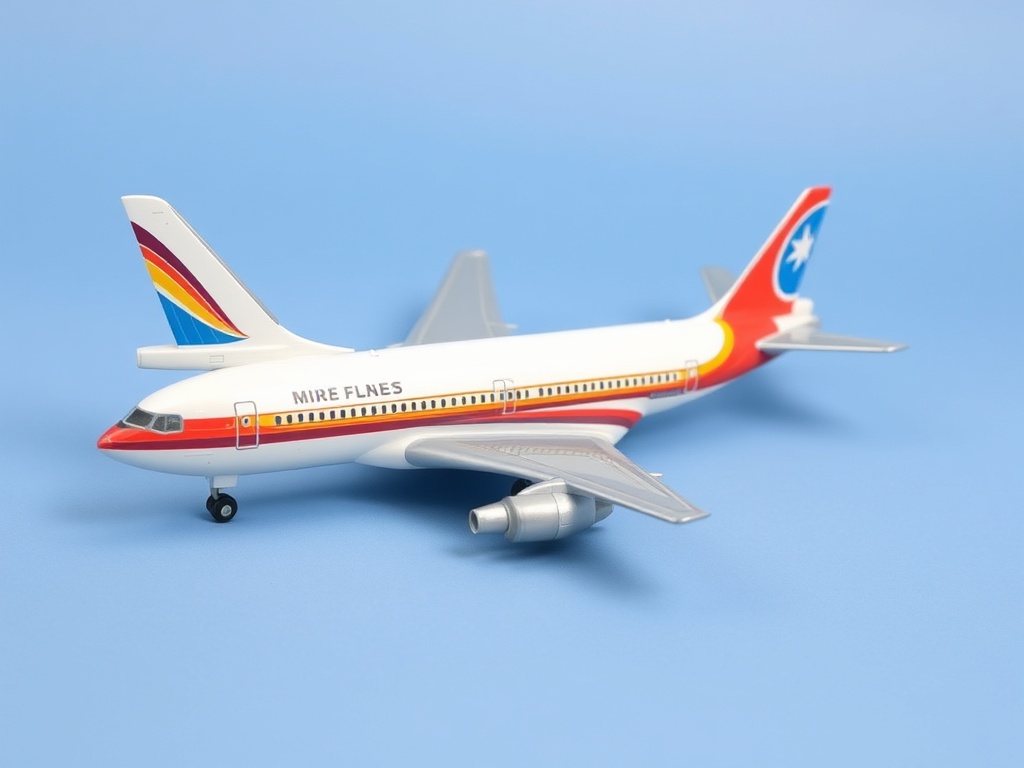
Retro liveries tap into both nostalgia and design appeal. Bold stripes, unique typography, and now-defunct branding make these models stand out.
The sweet spot is airlines that have rebranded multiple times or disappeared entirely. These pieces act as time capsules of aviation history.
- Pan Am, TWA, and early Delta liveries are strong performers
- Condition of decals and paint is critical
- Older releases often outperform modern reissues
4. High-End Resin Models
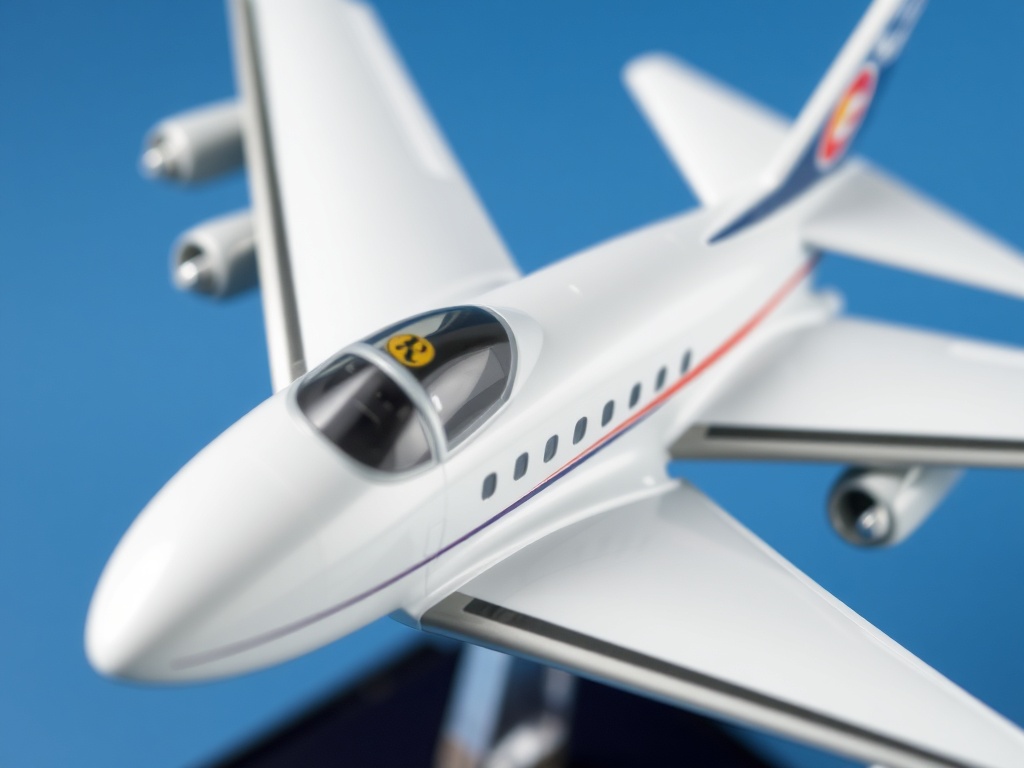
Resin models sit at the top tier of craftsmanship. They’re more fragile than diecast, but the detail is unmatched.
Collectors pay for precision—clean panel lines, accurate proportions, and premium finishes. Because production runs are usually smaller, these models maintain exclusivity.
- Brands like InFlight and Aviation200 excel here
- Display conditions matter due to material sensitivity
- Lower production equals higher long-term scarcity
5. Airport Diorama-Ready Models

Collectors building full airport scenes drive demand for compatible models. Scale consistency and realism matter more than brand alone.
These aren’t standalone pieces—they’re part of a larger ecosystem. That creates ongoing demand as collectors expand their layouts.
- 1:400 and 1:200 scales dominate
- Matching ground equipment increases value
- Consistency across a collection boosts resale appeal
6. Rare Promotional Airline Models
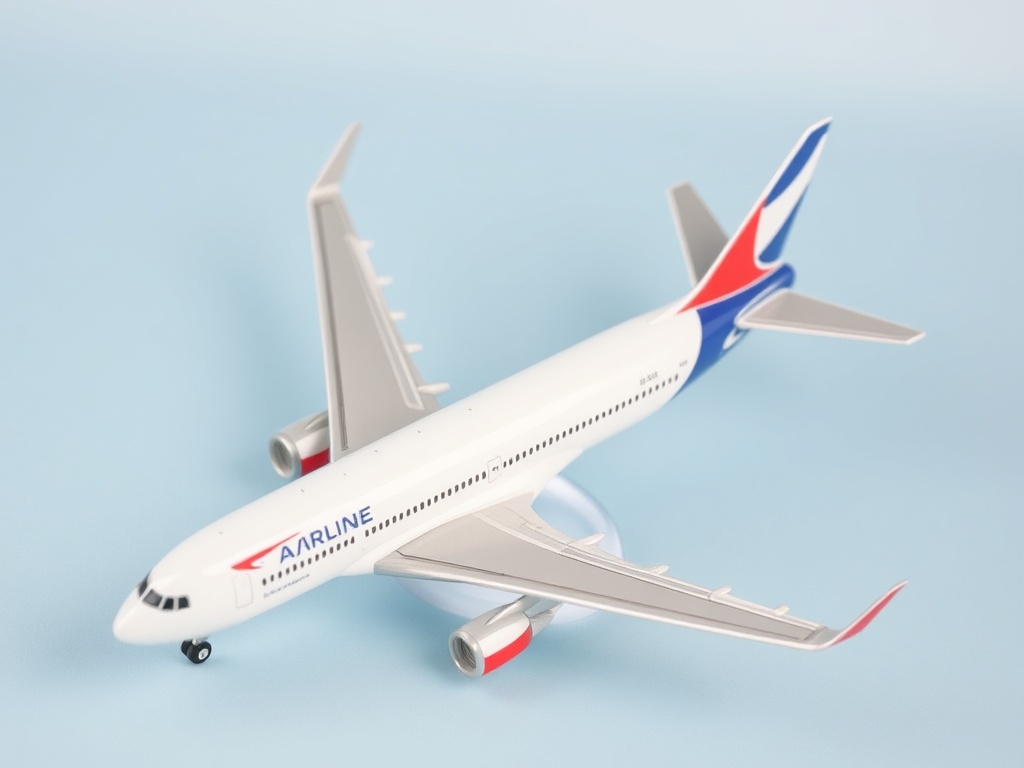
Promotional models were never meant for mass collectors. Airlines produced them for executives, partners, or events—which makes them scarce by default.
These pieces often surface unexpectedly in estate sales or niche auctions, and when they do, serious collectors pay attention.
- Provenance matters more than condition in some cases
- Corporate branding increases uniqueness
- Often undervalued until rediscovered
7. Classic Wooden Desktop Models
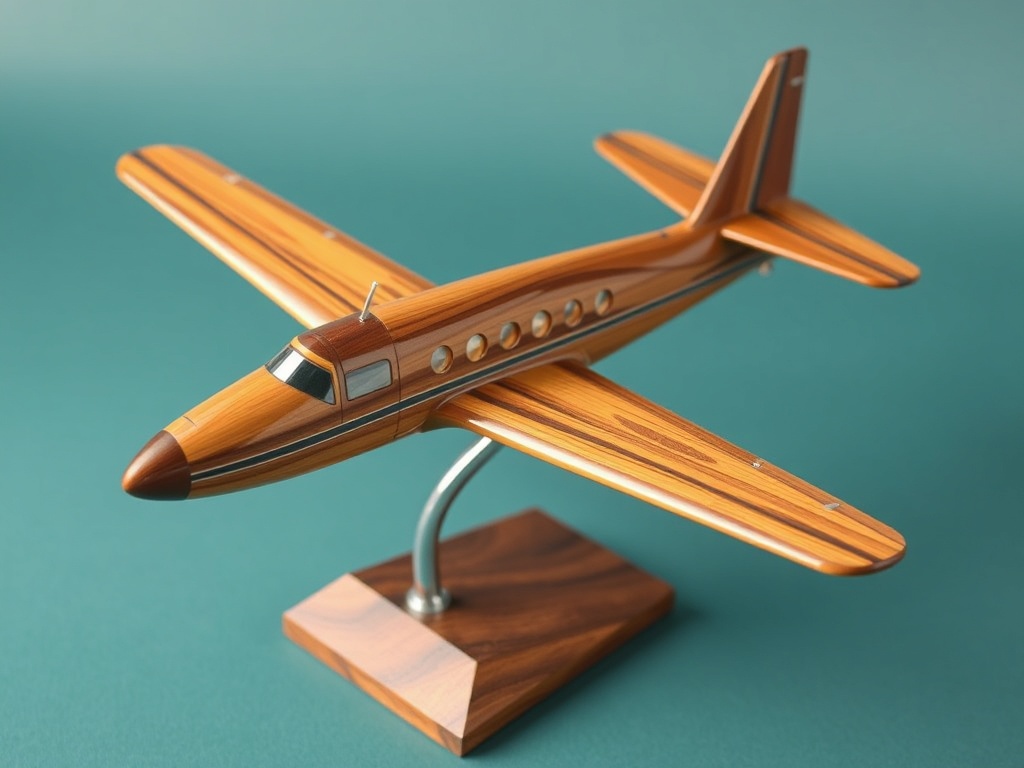
Wooden models occupy a different lane. They’re less about scale accuracy and more about craftsmanship and aesthetic presence.
High-quality handcrafted pieces—especially older ones—hold value because they’re not easily replicated at scale today.
- Look for solid wood construction, not composites
- Airline-issued models often outperform generic ones
- Condition of finish impacts long-term appeal
8. Obscure Regional Aircraft Models
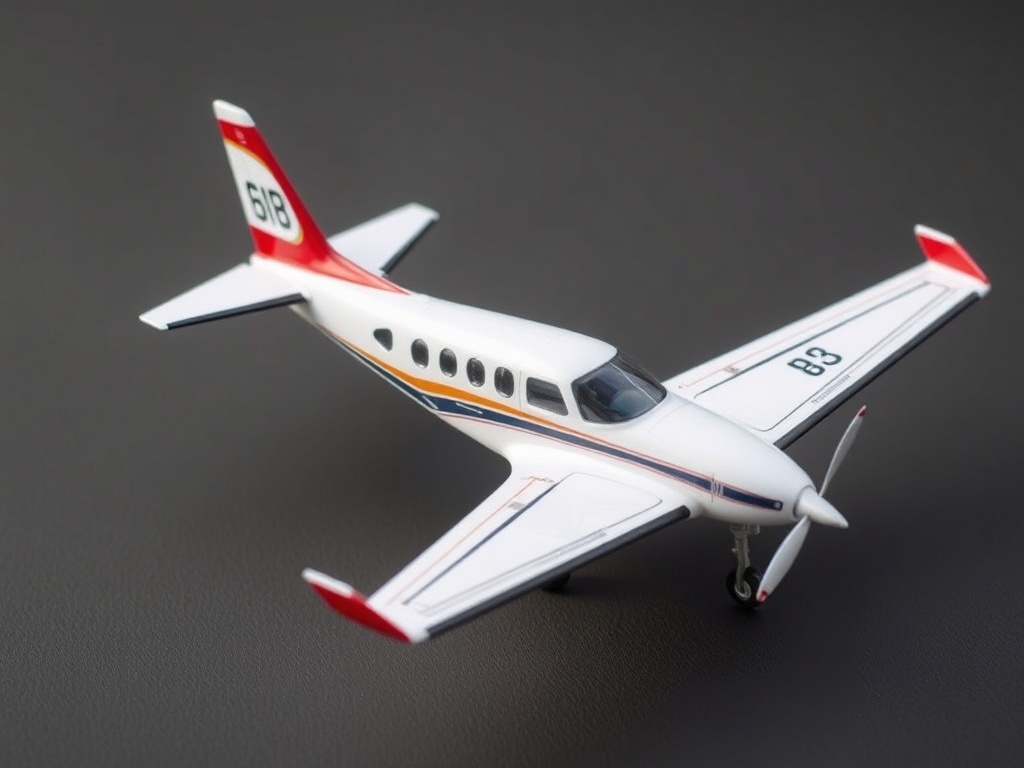
Mainstream collectors often overlook regional aircraft—but that’s exactly why they can perform well over time.
Low initial demand means low production. Years later, collectors trying to complete sets or represent entire fleets scramble to find these missing pieces.
- Short production cycles create scarcity
- Niche airlines can become unexpectedly valuable
- Completeness-driven demand fuels price spikes
9. Early-Generation Diecast Releases
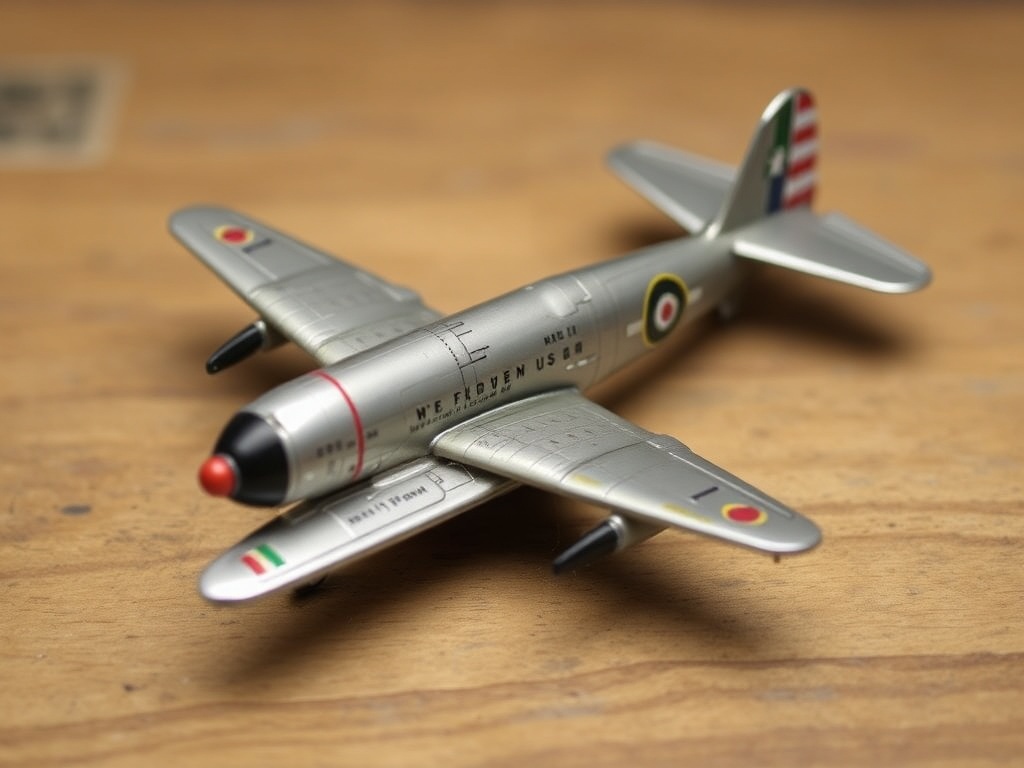
First-generation releases from major brands often gain value simply because they mark the beginning of a line.
Even if the detailing isn’t perfect by today’s standards, collectors treat these as historical artifacts within the hobby itself.
- Original runs carry more weight than later improvements
- Packaging and documentation are critical
- Condition gaps create price differences
Why Most Plane Models Don’t Hold Value
Here’s the uncomfortable truth: most models are mass-produced, widely available, and easily replaceable. That combination kills long-term value.
Common pitfalls include:
- Overproduction with no scarcity
- Generic liveries with no historical significance
- Poor storage leading to condition loss
- Reissues flooding the market
If a model doesn’t have a story, rarity, or demand driver, it’s unlikely to appreciate.
How to Collect With Value in Mind
Value-focused collecting isn’t about chasing trends—it’s about understanding supply, demand, and narrative.
- Prioritize limited runs over mass releases
- Keep original boxes and documentation
- Store models properly to maintain condition
- Buy with long-term scarcity in mind
The best collections aren’t the biggest—they’re the most intentional.