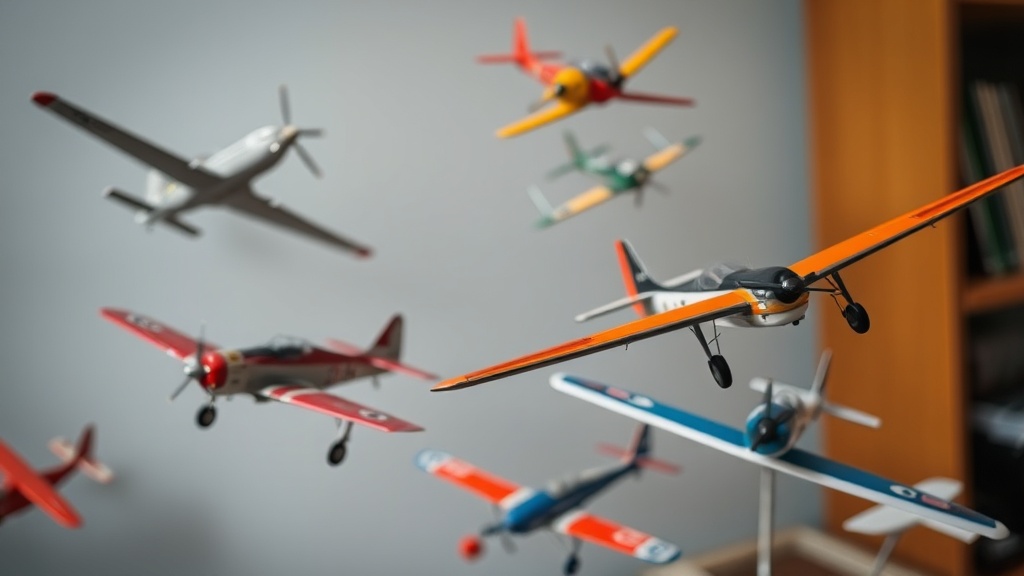
How to Build and Display a Stunning Model Airplane Collection

What This Guide Covers (And Why Model Airplane Collecting Matters)
This guide walks through everything needed to start, curate, and display a model airplane collection that sparks conversation and holds value over time. You'll learn how to select quality pieces, protect investments from dust and damage, and create displays that turn a hobby into a centerpiece. Model airplane collecting sits at the intersection of aviation history, craftsmanship appreciation, and interior design — a combination that attracts everyone from retired pilots to design-conscious millennials hunting for statement pieces.
The market for collectible aviation models has grown steadily, with rare vintage pieces from manufacturers like Airfix and Revell fetching impressive prices at auction. But this isn't just about money. A well-built collection tells stories — of engineering triumphs, wartime innovation, and the sheer beauty of flight captured in miniature form.
What Should Beginners Buy First When Starting a Model Airplane Collection?
Beginners should start with die-cast metal models in 1:72 or 1:144 scale from established manufacturers before branching into resin kits or larger display pieces.
The temptation is real. You walk into a hobby shop — or fall down an online rabbit hole — and see a massive 1:32 scale P-51 Mustang with working propeller and cockpit detail. Walk away. That model is for experienced collectors with dedicated display space and deeper pockets.
Here's the thing: starting small lets you learn what resonates. Some collectors gravitate toward commercial airliners — the Herpa Wings 1:500 series offers exceptional detail at approachable prices. Others prefer military aircraft, where Corgi Aviation Archive produces die-cast legends with heft and historical accuracy. The catch? These brands hold resale value. Cheap knockoffs from unknown manufacturers don't.
Worth noting — scale matters more than most beginners realize. A 1:200 scale Boeing 747 spans about 14 inches. Sounds manageable until you're staring at six of them on a bookshelf. Plan your space before you plan your fleet.
Recommended Starter Models
| Model | Scale | Price Range | Best For |
|---|---|---|---|
| GeminiJets Delta 737-800 | 1:400 | $45-$65 | Commercial aviation fans |
| Corgi Spitfire Mk.IIa | 1:72 | $50-$75 | Military history enthusiasts |
| Herpa Airbus A320 | 1:500 | $25-$40 | Space-conscious collectors |
| Hobby Master F-14 Tomcat | 1:72 | $80-$120 | Pop culture aviation (Top Gun fans) |
Start with two or three pieces max. Live with them. Notice what draws your eye when you walk past. That's your collecting compass pointing true north.
How Do You Protect Model Airplanes from Dust and Damage?
Display cases with UV-protective acrylic or glass fronts, combined with controlled humidity between 40-60%, offer the best protection against the two biggest threats: dust accumulation and moisture damage.
Dust isn't just unsightly — it's abrasive. Those tiny particles scratch delicate paint finishes and fog clear cockpit canopies over time. Acrylic display cases from ClearView Displays or custom-built shelving with glass doors create a barrier without sacrificing visibility. The investment pays for itself when you're not cleaning fragile models weekly.
Sunlight is the silent killer. UV rays fade decals and yellow transparent plastic parts in months, not years. Position displays away from windows, or invest in UV-filtering film if natural light is unavoidable. The Smithsonian's preservation guidelines for aviation artifacts emphasize light control as a non-negotiable — your home collection deserves the same respect.
Humidity control catches many collectors off guard. Too dry, and plastic parts become brittle. Too humid, and metal components develop corrosion (especially on older die-cast pieces with zinc content). A small dehumidifier in your display room — or even silica gel packets in enclosed cases — maintains that sweet spot.
Storage vs. Display: The Ongoing Debate
Not every model belongs on permanent display. Rotating pieces keeps the collection fresh and reduces exposure risks. Invest in archival storage boxes from Archival Methods or Gaylord Archival for pieces resting off-display. Acid-free tissue paper, individually wrapped models, and rigid boxes prevent the heartbreak of finding a wing snapped off or paint transferred from contact.
What's the Best Way to Display a Model Airplane Collection?
The most striking displays combine vertical space utilization, thematic grouping, and proper lighting to transform models from shelf clutter into gallery-worthy installations.
Floating shelves at varying heights create visual rhythm. Stagger models so larger pieces anchor the arrangement while smaller scales fill gaps. The eye travels naturally across an asymmetrical layout — straight lines of identical models read as retail display, not personal curation.
That said, thematic grouping tells better stories. Consider organizing by:
- Era: World War II fighters, Cold War jets, modern commercial
- Manufacturer: Boeing family tree, all things Lockheed Martin
- Livery: Defunct airlines (Pan Am, TWA, Braniff) make hauntingly beautiful groupings
- Scale: A full 1:200 scale airport diorama requires commitment but delivers wow factor
Lighting transforms everything. LED strip lights mounted above shelves (not inside cases — heat concerns) with color temperatures around 4000K-5000K render paint accurately without that harsh "operating room" feel. Avoid spotlights — they create harsh shadows and uneven fading risks.
Display Options by Commitment Level
The Minimalist (5-10 models): A single floating shelf above a desk, strategically lit. Clean. Focused. Each piece gets its moment.
The Enthusiast (20-50 models): Modular cube shelving from Way Basics or IKEA's KALLAX series, configured in asymmetrical patterns. Mix open display with closed storage.
The Devoted (100+ models): Custom built-ins with integrated lighting, climate control, and glass fronts. Think home museum. Companies like DisplayGifts specialize in aviation-specific cases with mirrored backs that create depth illusions.
How Do You Research and Verify Authenticity Before Buying?
Cross-reference manufacturer markings, production numbers, and known factory variations against collector databases and established price guides before significant purchases.
The model airplane market — like any collectible sphere — attracts reproductions and "Frankensteins" (models assembled from mismatched parts). Limited edition pieces from GeminiJets, Phoenix Models, or JC Wings should arrive with certificates and serial numbers. No paperwork? The price should reflect that uncertainty.
Online forums like Diecast Aircraft Forum and Airliners.net's Model Section maintain threads documenting known fakes and factory errors. Factory errors — mismatched liveries, missing registration numbers — actually increase value in some circles, but only when documented as legitimate mistakes rather than sloppy assembly.
Here's the thing about provenance: previous ownership matters for truly rare pieces. A model built by a master craftsman and documented in competition records carries premiums over identical kits built by hobbyists. The work of legendary builders like Bob Letterman or David Damek commands serious attention — and serious prices.
Red Flags in Online Marketplaces
- Prices significantly below market value (check completed eBay listings for reality checks)
- Stock photos instead of actual item images
- Sellers unwilling to provide close-ups of registration markings or manufacturer plates
- Vague descriptions like "vintage style" or "replica" without specifying scale or manufacturer
- Shipping from regions known for counterfeit production with no established dealer reputation
How Can Collectors Connect with Other Enthusiasts?
Local IPMS (International Plastic Modelers Society) chapters, regional aviation museums, and online communities offer the connection and knowledge-sharing that transforms solitary collecting into community participation.
The Asheville area — where Dante Ito built the Plane Models community — demonstrates what's possible when collectors gather. Monthly meetups, group buys for rare pieces, and shared display opportunities at events like the Western North Carolina Air Museum's annual showcases create relationships that outlast any single model purchase.
Online, Instagram hashtags like #modelaircraft and #diecastaircraft reveal collectors worldwide sharing display ideas and acquisition victories. The IPMS USA organization maintains chapters across the country with regular competitions that push builders toward ever-higher craftsmanship standards.
Worth noting — competitions aren't for everyone. Some collectors find them motivating; others find the judging criteria arbitrary. Neither perspective is wrong. The key is finding your people, whether that's at a formal contest or a casual monthly gathering at a local brewpub where the only requirement is enthusiasm for wings and wheels.
The Asheville Model
The Plane Models community operates on simple principles: share knowledge freely, verify before hyping, and celebrate craftsmanship over accumulation. New collectors receive mentorship without pressure. Experienced builders find audiences who appreciate the hundred hours invested in a competition-grade diorama. It's not about who owns the most models — it's about who understands what they own.
When Should You Consider Selling Pieces from Your Collection?
Sell when a model no longer sparks interest, when duplicates emerge from better sources, or when market values peak for specific pieces — using proceeds to fund acquisitions that better align with evolved collecting focus.
Collections breathe. They expand and contract. The Spitfire that thrilled you as a beginner might feel simplistic once you've handled museum-quality resin kits. The airline that went bankrupt last year might suddenly command premiums from nostalgic flyers. Markets shift. Tastes refine.
Documentation protects resale value. Keep original boxes (flattened if space requires), certificates, and purchase records. Photograph models immediately upon acquisition — condition disputes kill deals. eBay remains the largest marketplace, but specialized forums and Facebook groups often yield better prices from informed buyers who recognize quality.
The catch? Sentimentality has no place in serious collecting. That model your uncle gave you? If it doesn't fit the collection's direction, photograph the memory and let the object find a home where it's appreciated. The space and funds freed up enable acquisitions that genuinely excite you today — not the collector you were five years ago.
"Collecting is the only socially acceptable form of hoarding." — Anonymous (but every collector knows the truth in it)
Your model airplane collection should reflect your story — the airports you've passed through, the history that captivates you, the engineering that inspires awe. Build it thoughtfully. Display it proudly. And never stop learning about the machines that made humanity airborne.
Steps
- 1
Choose the Right Scale and Brand for Your Collection
- 2
Master Assembly and Painting Techniques
- 3
Design and Build a Professional Display Setup