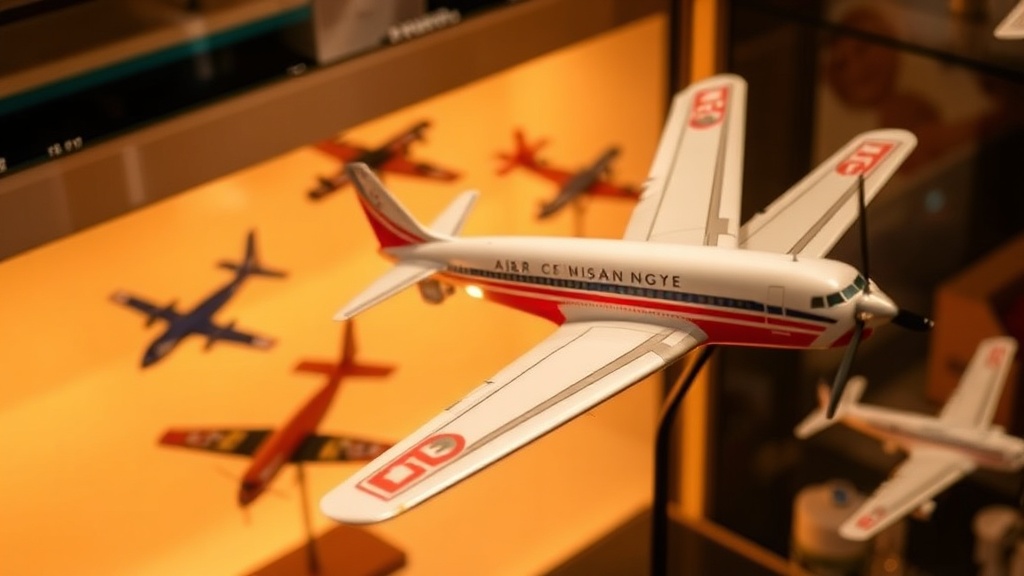
How to Display Model Airplanes: Tips for a Stunning Collection Showcase

Displaying model airplanes transforms a scattered collection into a captivating showcase that sparks conversation and protects your investment. This guide covers everything from choosing the right display case to lighting techniques and creative arrangements that'll make your die-cast and scale models shine. Whether you've got three pieces or three hundred, these tips will help you build a display that's both practical and visually striking.
What Are the Best Display Cases for Model Airplanes?
Glass and acrylic cases dominate the market for good reason. Each material offers distinct advantages depending on your space, budget, and the value of your collection.
Glass display cases provide unmatched clarity and a premium feel. Brands like Restoration Hardware and local cabinet makers craft stunning hardwood-and-glass units that anchor a room. The weight and rigidity of glass mean these cases stay put and resist scratches better than alternatives. The catch? Glass shatters, weighs a ton, and often requires professional installation for wall-mounted units.
Acrylic cases—sometimes called plexiglass or Lucite—have revolutionized how collectors show their pieces. Companies like Clearly Said and Wicked Model Works produce UV-resistant acrylic cases specifically sized for 1:72, 1:48, and 1:32 scale aircraft. You'll find options ranging from simple dust covers to museum-quality vitrines with built-in lighting.
Here's the thing about UV protection: sunlight destroys model finishes. Acrylic cases with UV-filtering properties block harmful rays that fade decals and yellow clear plastic canopies. Don't skip this feature if your display area gets any natural light.
For wall mounting, consider shadow boxes from Hobby Lobby or custom-built frames from Etsy artisans. These save floor space and put your aircraft at eye level—perfect for smaller scales like 1:144 or die-cast 1:400 airliners. That said, wall displays limit how often you'll handle and rearrange pieces.
| Case Type | Best For | Price Range | Pros | Cons |
|---|---|---|---|---|
| Acrylic Dust Cover | Single aircraft, temporary protection | $15-$50 | Lightweight, affordable, easy to clean | Basic, no lighting, scratches easily |
| Glass Curio Cabinet | Large collections, formal rooms | $300-$2,000 | Elegant, durable, furniture-quality | Heavy, fragile, expensive |
| Wall-Mounted Shadow Box | 1:144 scale, die-cast airliners | $25-$150 | Saves space, eye-level viewing | Fixed arrangement, limited depth |
| Custom Acrylic Vitrine | Valuable pieces, museum displays | $100-$500+ | Perfect fit, UV protection, optional lighting | Long lead times, premium pricing |
| Detolf Cabinet (IKEA) | Mid-size collections on a budget | $70-$100 | Affordable, glass shelves, modern look | No UV protection, limited depth |
Case Positioning and Spacing
Cramming models together kills the visual impact. Each aircraft needs breathing room—think negative space as part of the composition. For 1:48 scale fighters, allow at least 6 inches between wingtips. Larger 1:32 scale pieces demand 12 inches or more. You want viewers to appreciate each model individually while still seeing the collection as a cohesive whole.
Height matters too. Place your most impressive pieces at eye level (roughly 57-60 inches from the floor). This isn't arbitrary—it's the standard museum practice used by the Smithsonian National Air and Space Museum. Smaller models can sit higher or lower without losing their presence.
How Do You Light a Model Airplane Display Properly?
Proper lighting transforms a cabinet of dusty models into a gallery-worthy exhibit. The key is eliminating shadows, reducing glare, and bringing out the details that make each aircraft special.
LED strip lights have become the go-to solution for collectors. They run cool (no heat damage to delicate parts), last years, and install with peel-and-stick backing. Brands like Philips Hue and LIFX offer tunable white options that let you adjust color temperature from warm (2700K) to cool daylight (5000K). Cooler temperatures highlight panel lines and weathering; warmer tones create ambiance for evening viewing.
Position lights above and slightly in front of your models. Top-down lighting alone creates harsh shadows under wings and fuselages. The solution? Add small LED puck lights to the cabinet sides or use reflective white backing material to bounce light around. Some collectors install lights on a dimmer switch—bright for examining details, subdued for ambient room lighting.
Avoid direct sunlight at all costs. Even with UV-filtering cases, heat buildup and light intensity will degrade your models over time. If your display room has windows, add blackout curtains or position cases on interior walls. Worth noting: LED lights produce no UV radiation, making them the safest choice for long-term display.
For dramatic effect, consider accent lighting. Small spotlights aimed at specific pieces create focal points within larger collections. The F-14 Tomcat with its wings swept back deserves that spotlight treatment. Just don't overdo it—too many accent lights make a display look like a carnival ride.
Choosing the Right Color Temperature
Warm white (2700K-3000K) flatters older, weathered models and creates a nostalgic atmosphere. Cool white (4000K-5000K) suits modern jet fighters with gray paint schemes and sharp panel lines. Many collectors mix temperatures—cool lights for the main display, warm accent lights for a diorama base. Experiment before committing to a permanent installation.
What Are Creative Ways to Arrange Model Airplanes?
Beyond basic shelving, creative arrangements tell stories and maximize visual interest. The right presentation turns individual models into a narrative.
Chronological arrangements work beautifully for aviation history buffs. Start with the Wright Flyer (or a representative 1:72 scale model) and progress through WWI biplanes, WWII fighters, early jets, and modern aircraft. This timeline approach helps viewers appreciate how aviation technology evolved. That said, it requires significant horizontal space and looks best when all models share the same scale.
Formation flying displays capture drama. Mount models on clear acrylic rods (available from Squadron and Scale Hobbyist) at different heights to simulate aircraft in flight. A P-51 Mustang banking hard, a Spitfire in a gentle climb, a Messerschmitt diving—you create a frozen moment. These dynamic poses beat static "sitting on the gear" presentations every time.
Thematic groupings offer another approach. Dedicate one shelf to naval aviation, another to commercial airliners, a third to your personal favorites. Or arrange by manufacturer—an all-Boeing display or a celebration of Lockheed's skunk works creations. This method helps viewers (and you) mentally organize a diverse collection.
Here's the thing about dioramas: they add context. A simple 1:48 scale P-40 Warhawk becomes a story when perched on a painted base depicting a dusty Pacific island runway. Companies like Verlinden Productions and Plus Model sell resin base inserts with tarmac textures, grass, and even figures. You don't need a full scene—just enough ground reference to suggest place and purpose.
Vertical Space Solutions
Floor space is precious. Look up. Ceiling-mounted aircraft on thin wire or fishing line create the illusion of flight without consuming a single shelf. Aviation museums use this technique extensively—you can too. Install small eye hooks in ceiling joists and suspend lighter models (die-cast and smaller scales work best). Keep them above head height and away from traffic paths.
Stairwells present unique opportunities. As you ascend, models mounted on the wall alongside you create a gallery experience. Each step reveals new angles. The slanted ceiling of a stairwell also accommodates larger scales that might overwhelm standard rooms.
How Do You Protect Model Airplanes from Dust and Damage?
Protection separates casual collectors from serious preservationists. Dust isn't just unsightly—it contains abrasive particles and skin oils that degrade paint and decals over time.
Enclosed cases are the first line of defense. Even a simple acrylic cover blocks 90% of household dust. For open shelving (which some collectors prefer for accessibility), plan on monthly maintenance. Use soft makeup brushes, canned air, and microfiber cloths. Never use feather dusters—the quills can scratch delicate finishes. Products from Microscale and Pledge (their multi-surface cleaner) work well for careful cleaning.
Humidity control matters more than most collectors realize. Ideal relative humidity for model storage falls between 40% and 55%. Above 60%, you risk mold, decal silvering, and metal parts corrosion. Below 30%, plastic becomes brittle and glue joints may fail. Asheville's mountain climate stays relatively moderate, but if you're in the Gulf Coast or Desert Southwest, invest in a dehumidifier or humidifier respectively. Small silica gel packets in cases help, but they saturate quickly—replace them quarterly.
Handling protocols preserve your investment. Always wash hands before touching models. The oils from your skin attack paint and can discolor clear canopies over years. For valuable pieces, consider cotton gloves (the same ones photographers use for prints). When moving aircraft, support the fuselage, never the wings or antennae. Those delicate parts snap off with surprising ease.
Document everything. Photograph your collection from multiple angles, record purchase dates and prices, and note any aftermarket modifications. If disaster strikes—fire, flood, theft—you'll need this documentation for insurance claims. Standard homeowner's policies often undervalue collectibles, so consider a rider specifically for your aircraft.
The Right Tools for Maintenance
Build a cleaning kit: soft sable brushes in multiple sizes, canned air with a straw nozzle, microfiber cloths, cotton swabs, and a small vacuum with brush attachment. Keep these supplies separate from household cleaning products—residue from kitchen cleaners damages model finishes.
Creating a stunning model airplane display blends practical protection with artistic presentation. Choose cases that suit your space and budget, light them to reveal every rivet and panel line, arrange pieces to tell stories, and maintain them with care. The result? A collection that brings joy every time you walk into the room—and respect from every fellow enthusiast who visits.
Steps
- 1
Choose the Right Display Location and Shelving
- 2
Install Proper Lighting to Highlight Your Models
- 3
Arrange by Scale, Era, or Airline for Visual Impact