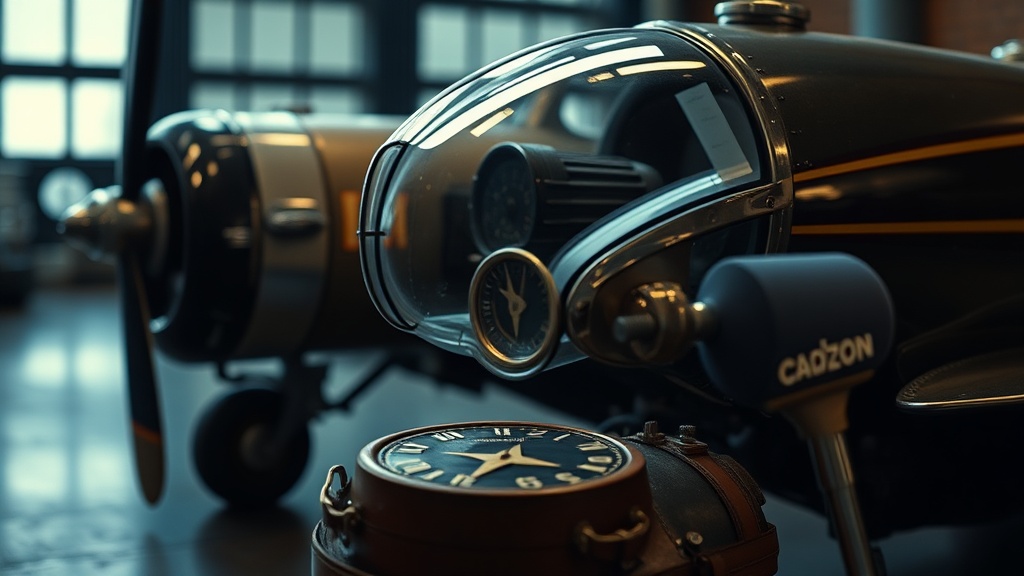
Identifying Authentic Vintage Aviation Designer Pieces

How do you tell a high-quality collectible from a modern reproduction?
Have you ever held a piece of history in your hands, only to realize it's a cheap, modern imitation? For collectors of high-end aviation-themed fashion and designer collectibles, the difference between an authentic vintage item and a modern reproduction isn't just a matter of price—it's a matter of integrity. This guide covers the specific markers of authenticity in aviation-inspired accessories, high-end fashion collectibles, and designer scale models that define the upper echelon of this niche. Understanding these nuances helps you avoid the heartbreak of an expensive mistake.
The world of fashion-based aviation collectibles is often flooded with "inspired" pieces that lack the soul of the originals. Whether you are looking at a vintage designer silk scarf featuring mid-century aeronautical patterns or a high-end limited edition model intended for display, the details matter. We're looking at more than just a brand name; we're looking at the craftsmanship and the era-specific design language that a modern factory simply can't replicate without a deep understanding of the original's intent.
What makes a designer aviation piece authentic?
Authenticity often resides in the weight and the texture of the materials. A high-end collectible—perhaps a designer briefcase with aviation-themed hardware or a limited edition scale model—will have a specific heft. Modern reproductions often use lighter, cheaper alloys or plastics that feel hollow. If you're inspecting a vintage designer item, pay attention to the hardware. Genuine vintage pieces often use solid brass or specialized alloys that develop a natural patina over time. If the metal looks too perfect, or if it feels suspiciously light, proceed with extreme caution.
Another key indicator is the branding and labeling. Authentic pieces from the mid-to-late 20th century often have much more subtle, integrated branding than modern-day mass-produced items. Look for waymarks that are embossed or etched into the material rather than just printed on the surface. For example, if you're looking at high-end aviation-themed fashion accessories, the way a brand name is woven into a silk scarf or etched into a leather strap tells a story. A printed-on logo is a red flag; a deeply integrated, tactile brand mark is a sign of quality.
"The difference between a replica and an original is often found in the details the manufacturer thought no one would notice." — A common sentiment among seasoned collectors.
Check the stitching and the seam work. In high-end collectibles, the stitching should be consistent and often slightly irregular if it was hand-finished. A machine-perfect, identical stitch across a large surface area is often a sign of modern, high-speed manufacturing. If you're looking at a vintage leather aviator-style accessory, the stitching should feel part of the structural integrity of the piece, not just an afterthought.
Where can you find reliable information on vintage markings?
Research is your best friend when you're out in the field. You can't rely on your eyes alone; you need to verify. One way to verify the era of a piece is to look at the manufacturing standards of that time. For instance, the Museum of Flight provides incredible historical context on aviation-related design and eras. While they focus on the aircraft themselves, the design language of the era—which influences fashion-based aviation collectibles—is documented extensively in their archives.
Another resource for understanding the evolution of high-end manufacturing is the Metropolitan Museum of Art. Their extensive collections of fashion and industrial design can provide a baseline for what authentic-period craftsmanship looks like. If you're looking at a mid-century aviation-inspired accessory, seeing how similar high-end items were constructed during that era will give you a much better sense of what to look for in the wild.
Is the packaging part of the authenticity?
Never underestimate the box. For many high-end collectors, the original packaging is just as important as the item itself. While a modern seller might try to pair a fake item with a period-correct box to fool you, the box itself often has tell-tale signs. Check the typography on the box. Does the font match the era? Is the paper stock consistent with the quality of the item? A high-end, heavy-weight box with matte finishes was common in the luxury-aviation market of the 1970s, whereas modern reproductions often use glossy, thin cardboard.
Look for signs of aging on the packaging. Real vintage packaging might have slight corner wear or a certain level of oxidation on any metalized parts. If a box looks absolutely pristine but claims to be forty years old, be skeptical. The "shelf-life" of a piece of history is often visible in the way its container has aged. This isn't just about the item being "perfect"; it's about the item having a history that is reflected in its presentation.
When you are out hunting for these pieces, always carry a small kit. A jeweler's loupe can reveal the fine-grain textures that the naked eye misses. Being able to see the microscopic imperfections in the metal or the weave of a fabric can make or break a deal. Don't be afraid to ask a seller for more photos or even a video of the item under different lighting. A legitimate seller of high-end collectibles will understand your need for verification and will be happy to provide the necessary detail.