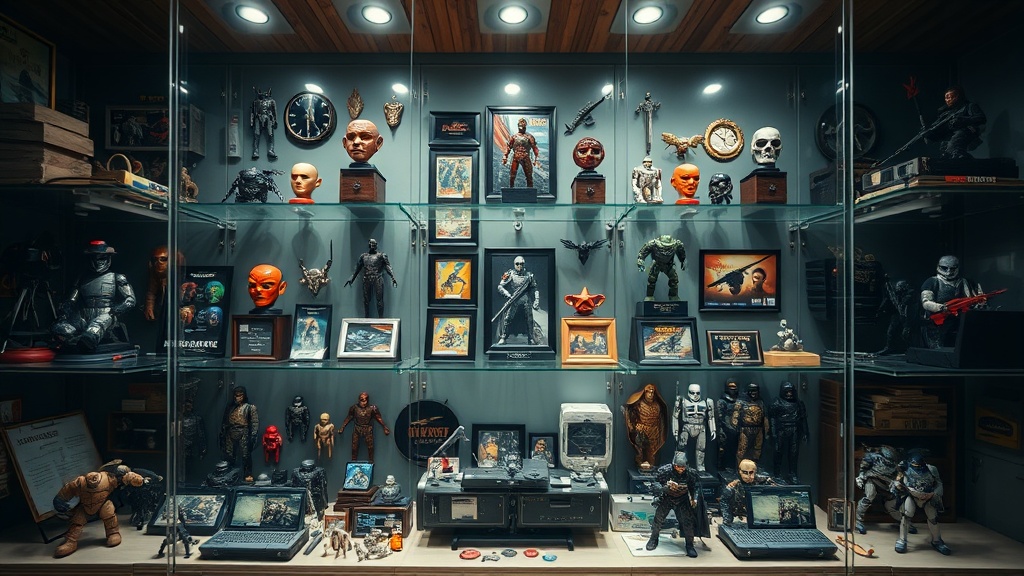
Organizing a High-Value Collectible Display Case

Why Lighting and Layout Matter for Collectors
A single speck of dust can look like a mountain under a high-intensity LED, and a poorly placed shadow can hide the very details you spent hundreds of dollars to acquire. In the world of high-end aviation diecast and vintage fashion accessories, visibility is everything. If you can't see the subtle metallic sheen on a 1:400 scale fuselage or the intricate stitching on a vintage flight jacket replica, the display has failed its primary purpose. Most collectors treat their cases as mere storage, but a truly effective display acts as a stage. You aren't just putting things in a box; you're curating a visual narrative.
Whether you're housing a collection of rare metal aircraft or delicate wearable aviation-inspired memorabilia, the physics of light and space stay the same. You've likely seen those cluttered glass cabinets where items look cramped and uninviting. That's usually a result of bad spatial planning. A well-organized case should feel breathable. It needs room to let each piece breathe so the eye doesn't get overwhelmed by a sea of silver and navy blue. We're talking about creating a sense of depth and rhythm, not just stacking items on a shelf.
How Do I Prevent Light Damage to My Collection?
Light is the silent enemy of the dedicated collector. UV rays—even those from indirect sunlight—can cause irreversible damage to certain materials. For aviation fashion pieces, this means the gradual fading of pigments in silk scarves or the drying out of leather-based accessories. For diecast models, excessive heat from certain light sources can actually soften adhesives or cause certain paints to expand and contract at different rates, leading to microscopic cracks.
When choosing your lighting, steer clear of incandescent bulbs. They produce far too much heat for a small, enclosed display case. Instead, opt for high-quality LED strips. LEDs are much cooler and don't emit the UV radiation that wreaks havoc on vintage textiles. If you want to get technical, look for lights with a high Color Rendering Index (CRI). A CRI of 90 or higher ensures that the colors you see in your display are the actual colors intended by the manufacturer or designer. You can check more about light safety and archival standards through organizations like the Library of Congress, which offers deep insights into how light affects various mediums.
The goal isn't just to brighten the case, but to direct the viewer's eye. Use accent lighting to highlight specific focal points—perhaps a rare gold-trimmed pilot's watch or a limited edition aircraft model—while keeping the background slightly dimmer. This creates a sense of drama and prevents the "grocery store aisle" look where everything is lit with equal, boring intensity.
Can I Use Acrylic Risers for My Display?
Acrylic risers are a fantastic tool for adding verticality to a collection, but they're a double-edged sword. On one hand, they allow you to display items at different heights, which is the fastest way to make a collection look professional. If you have a single-tier shelf, it often looks flat and one-dimensional. By using varying heights, you create a sense of movement.
However, you must be careful about the quality of the acrylic. Cheap, thin plastic can bow under the weight of heavy diecast models, causing them to tilt or even fall. This isn't just an aesthetic issue; it's a structural one. If a heavy model plane shifts, it could strike a delicate fashion piece nearby. Always ensure your risers are made of high-grade, UV-resistant acrylic. This also helps prevent the "yellowing" effect that happens with lower-grade plastics over time. If you're looking for high-end display solutions, checking out specialized museum-grade acrylic suppliers is often a better bet than general hobby shops.
Choosing the Right Tiered Layout
When planning your layout, think in terms of layers. Your background should be the simplest part of the display. If you have a highly detailed 1:200 scale jet, don't place it against a busy, patterned fabric. A solid, matte background is your best friend. It provides a neutral canvas that makes the subject pop.
Consider these three common layouts for your collection:
- The Pyramid: Place your largest, most imposing items in the center and rear, with smaller, more delicate pieces in the front. This works well for aircraft collections where scale varies wildly.
- The Gallery: Treat each item like a standalone piece of art. Give them significant space between one another. This is ideal for fashion collectibles like branded flight jackets or high-end pilot gear.
- The Chronological: Arrange items by era. This works beautifully if you're showing the evolution of aviation style, from the golden age of flight to modern jet-age luxury.
Whatever you choose, remember that the negative space—the empty space around an object—is just as important as the object itself. If your display is too crowded, it looks like a storage bin. If it's too sparse, it looks unfinished. Finding that middle ground is where the magic happens.
What Is the Best Way to Organize by Theme?
Theming is what separates a casual hobbyist from a true collector. Instead of just grouping things by size, group them by a central concept. Maybe you have a section dedicated to the "Silver Age of Aviation" which includes both specific aircraft models and the fashion styles of that era. Or perhaps a section for "Technological Precision," featuring high-tech cockpit-inspired accessories and modern metal-heavy models.
Organizing by theme allows you to tell a story. When someone looks at your display, they shouldn't just see a bunch of stuff; they should see a curated history. This might mean grouping a specific livery of an aircraft with a piece of fashion that shares that same color palette or era-specific aesthetic. It creates a cohesive visual language that makes the collection feel intentional.
One tip for keeping things organized without constant rearranging is to use subtle labels. Small, elegant brass or etched acrylic plates can act as headers for different sections. This adds a level of professionalism and makes it easier for you (and your guests) to navigate the collection without moving things around and risking damage. It's much easier to maintain a collection when you have a system that doesn't require a complete overhaul every time you acquire a new piece.