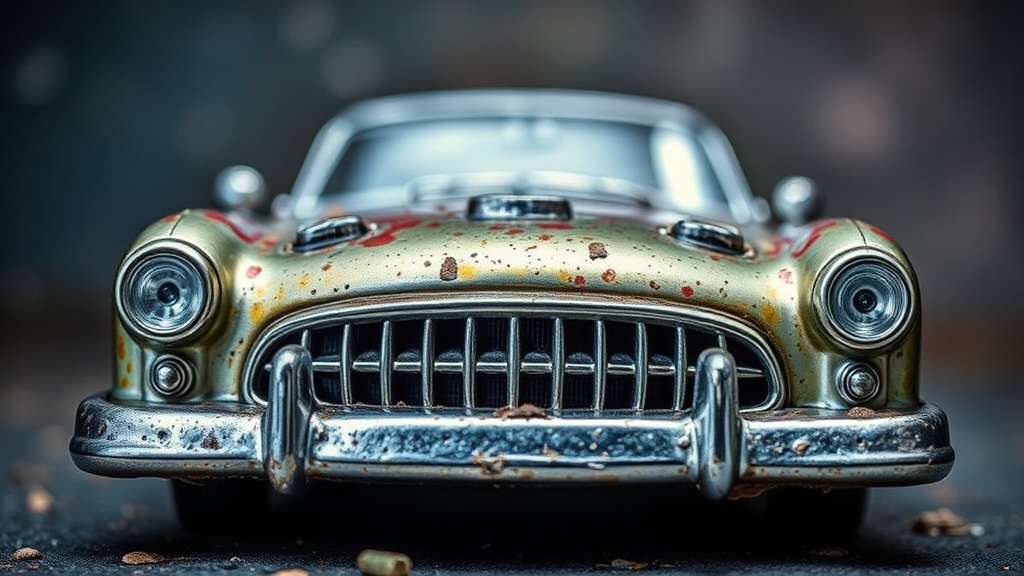
Protecting Rare Diecast Metal from Environmental Damage

Imagine opening a long-awaited shipment of a limited edition 1:200 scale diecast jet, only to find a fine layer of white, powdery residue on the wings or a slight dullness in the paint where the light hits it. It isn't just a bummer—it's a sign that the environment is actively working against your collection. Whether it's high humidity in a coastal apartment or the heat from a nearby window, the physical state of your models depends entirely on how you treat the space around them. This post covers the specific ways environmental factors degrade diecast metal and how you can stop it before it starts.
Collectors often think that once a piece is in a glass case, it's safe. That's a mistake. Diecast collecting involves more than just keeping things tidy; it involves understanding the chemistry of the materials. Most high-end models are made from a zinc-aluminum alloy (often called Zamak) coated in various paints, resins, or even thin metal plating. These materials react to the air, light, and temperature in ways that can ruin a model's value in a matter of months if you aren't paying attention.
Is humidity the enemy of diecast metal?
Humidity is perhaps the most underestimated threat to a serious collector. When moisture levels in the air rise, it doesn't just affect your comfort—it triggers oxidation. Even if the metal is coated, micro-cracks in the paint or the seams of the mold can allow moisture to seep in. This leads to "zinc rot" or surface oxidation, which manifests as a white or greenish crust. If you've seen a model looking cloudy or pitted, you're likely dealing with high humidity exposure.
To prevent this, you might consider a dedicated dehumidifier for your office or display room. A stable environment is better than a perfect one. Constant swings in moisture levels can cause the metal to expand and contract, which might eventually crack even the most expensive paint jobs. If you're displaying your collection in a glass case, make sure it's a sealed unit. You can even use small silica gel packets tucked into the corners of your display cabinets to absorb excess moisture. These are the same types of packets you see in shoe boxes, but for a collection, you'll want to replace them regularly to ensure they're still effective.
How much light exposure is too much?
Sunlight is a silent killer of color. UV rays break down the chemical bonds in paint, leading to fading and discoloration. A vibrant red livery on a vintage airliner can turn a dull, pale pink if left in direct sunlight for even a single season. This isn't just about the metal; the decals and water-slide transfers are often even more sensitive to light. Once a decal fades or peels due to heat and light, the value of the piece drops significantly.
The best way to handle this is by positioning your display away from windows. If you use LED lighting inside your cases, make sure they are high-quality, cool-running bulbs. Traditional incandescent or even some cheap LED strips can emit heat that warms the air inside a small display box, creating a miniature greenhouse effect. This heat can soften certain types of resins or cause the paint to become tacky or prone to dust adhesion. For more technical details on how light affects various materials, the Department of Energy offers great insights into how different lighting types impact environments.
Can dust actually damage my models?
Dust isn't just an aesthetic nuisance; it can be a physical abrasive. Most household dust is a mixture of skin cells, fabric fibers, and microscopic grit. When this settles on a model, it can actually scratch the surface if you're not careful when cleaning it. More importantly, dust acts as a thermal insulator. If you have a light source near your model, a layer of dust can trap heat against the surface, potentially causing localized temperature spikes that affect the paint.
The rule of thumb is to never use a cloth to wipe a model. Even a soft microfiber can drag tiny particles across the surface and cause micro-scratches. Instead, use a soft-bristled brush or a specialized air blower (the kind photographers use for camera lenses) to remove dust. This keeps the surface clean without the risk of physical abrasion. If you're looking for professional-grade cleaning tools, checking out specialized photography or lens cleaning supplies is a great way to find equipment that won't harm your items.
| Threat | Primary Effect | Best Prevention |
|---|---|---|
| High Humidity | Oxidation/Zinc Rot | Dehumidifiers & Silica Gel |
| UV Light | Paint Fading | UV-protected Glass/Away from Windows |
| Dust | Abrasive Scratches | Air Blowers/Soft Brushes |
| Heat | Paint Softening | LED Lighting/Climate Control |
When you're building a collection, you're essentially building a museum. A museum's first priority is preservation. If you treat your models like living things that need a specific environment to thrive, you'll see much better long-term results. It's better to spend a little more time on a controlled environment now than to realize a decade later that your prize pieces have lost their luster.
Always remember that the value of a collectible is tied to its condition. A model in pristine, factory-fresh condition will always command a higher price than one that has been neglected. By controlling the light, the air, and the way you touch your pieces, you're protecting your investment and ensuring that the craftsmanship of the original manufacturer remains intact for years to come.